Eclipses
Eclipses
The first solar eclipse I remember seeing was in August of 2008, while I was traveling to Edinburgh to do theater tech for our school play at the Fringe Festival. I brought some welder's glass with me so that could safely view the partially eclipse Sun. Ultimately, the partial eclipse occurred while we were on a train going from London to Edinburgh. I remember going to the very back of the train to gaze at the partially eclipsed sun through the welder's glass, and I must've shown a dozen other passengers what was happening.
A few years later I started at Williams College, where I got to know the renowned eclipse researcher Prof. Jay Pasachoff. Under his mentorship, I contributed to eclipse expeditions and co-authored scientific publications on the solar corona.
Eclipse photography is a discipline unto itself. The corona spans an enormous dynamic range — the inner corona near the limb is far brighter than the delicate streamers extending millions of kilometers into space — and totality lasts only a few minutes, leaving little room for error. During my thesis work at Williams, I learned to program cameras to capture the corona across multiple exposures, so that they can be processed into beautiful and scientifically informative images that trace the fine structure of the corona.
Below are all some of the highlights of the solar eclipses I've seen. You can also view my full eclipse log at Eclipse Chaser Log.
May 20, 2012 — New Mexico, USA (Annular)
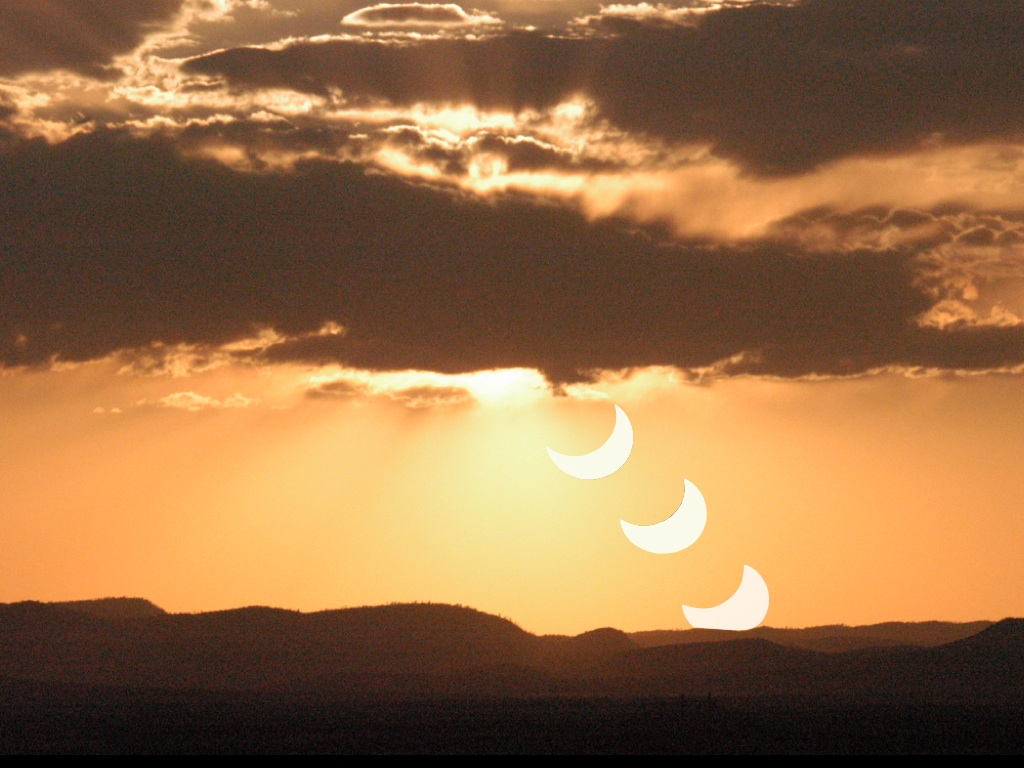
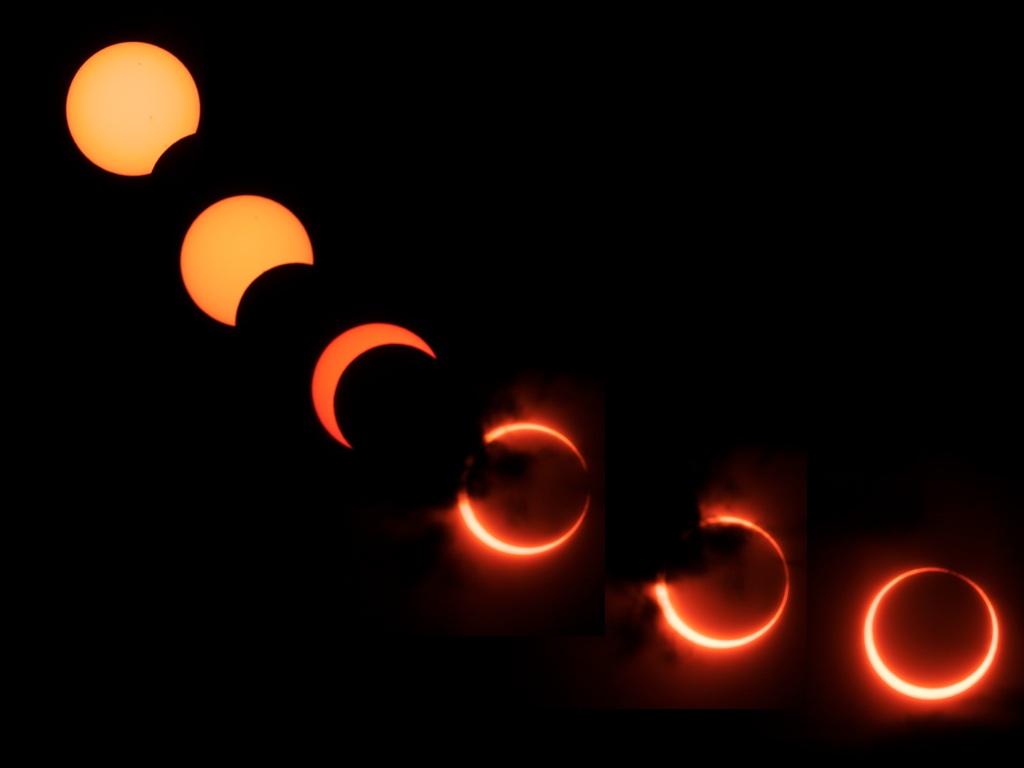
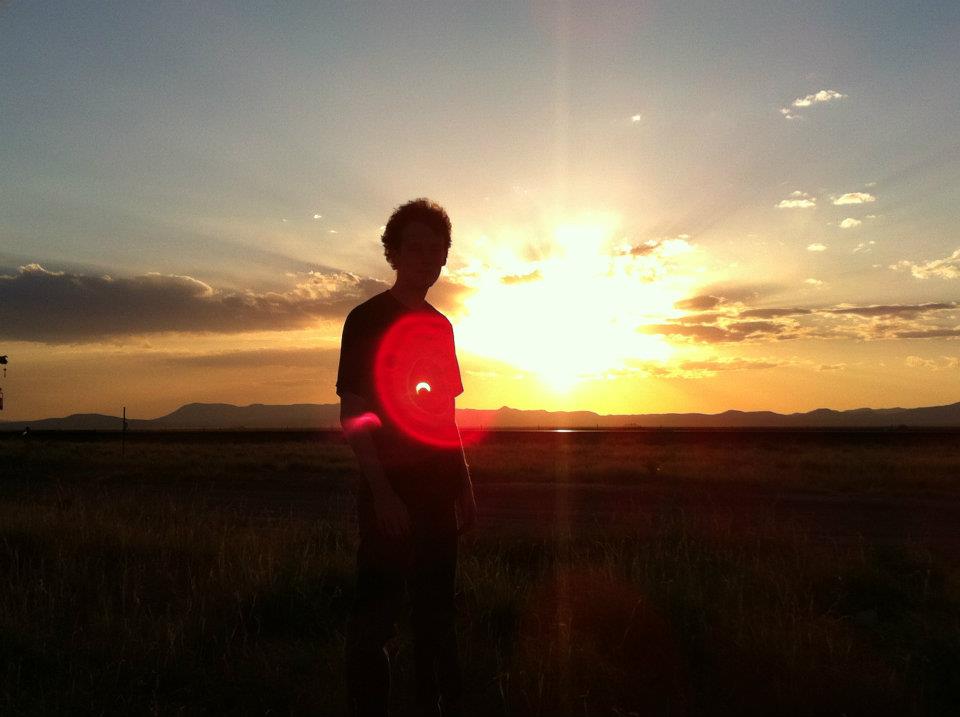
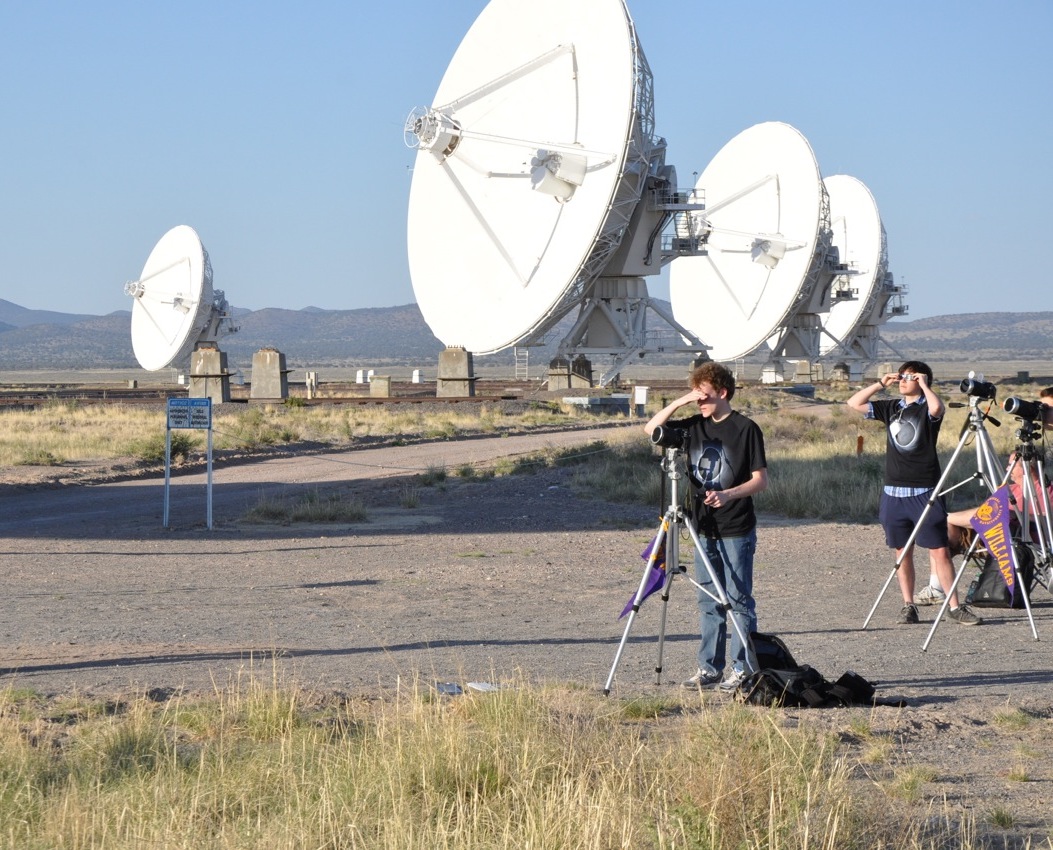
My first annular eclipse, observed from the Karl G. Jansky Very Large Array in the high desert of New Mexico. The VLA is one of the world's premier radio observatories, consisting of 27 large dish antennas arranged in a Y-shaped configuration covering tens of kilometers. I witnessed 2 minutes and 21 seconds of annularity, the "ring of fire" effect that occurs when the Moon is near apogee and its apparent diameter is too small to fully cover the Sun.
November 3, 2013 — Lopé National Park, Gabon (Total)
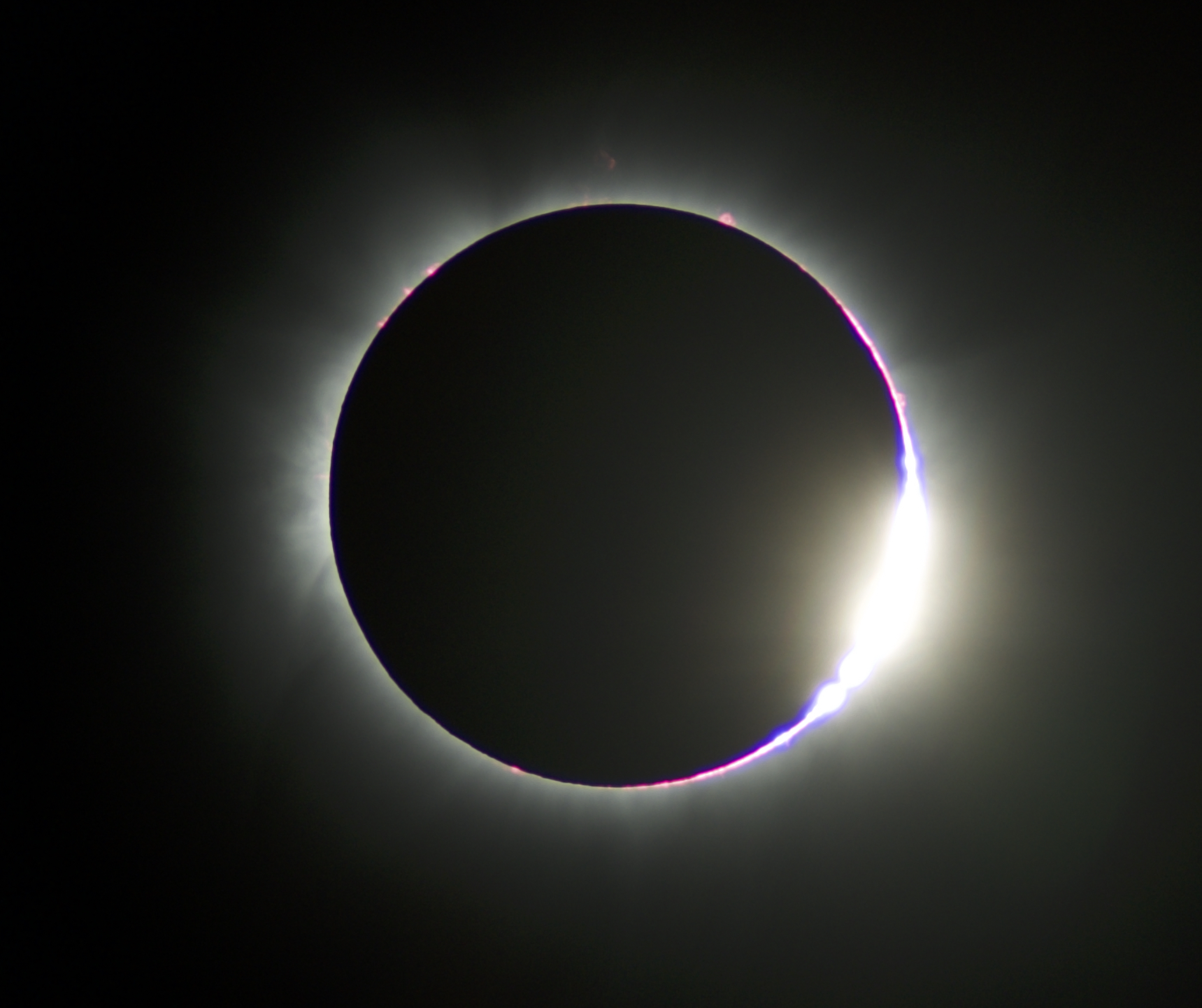
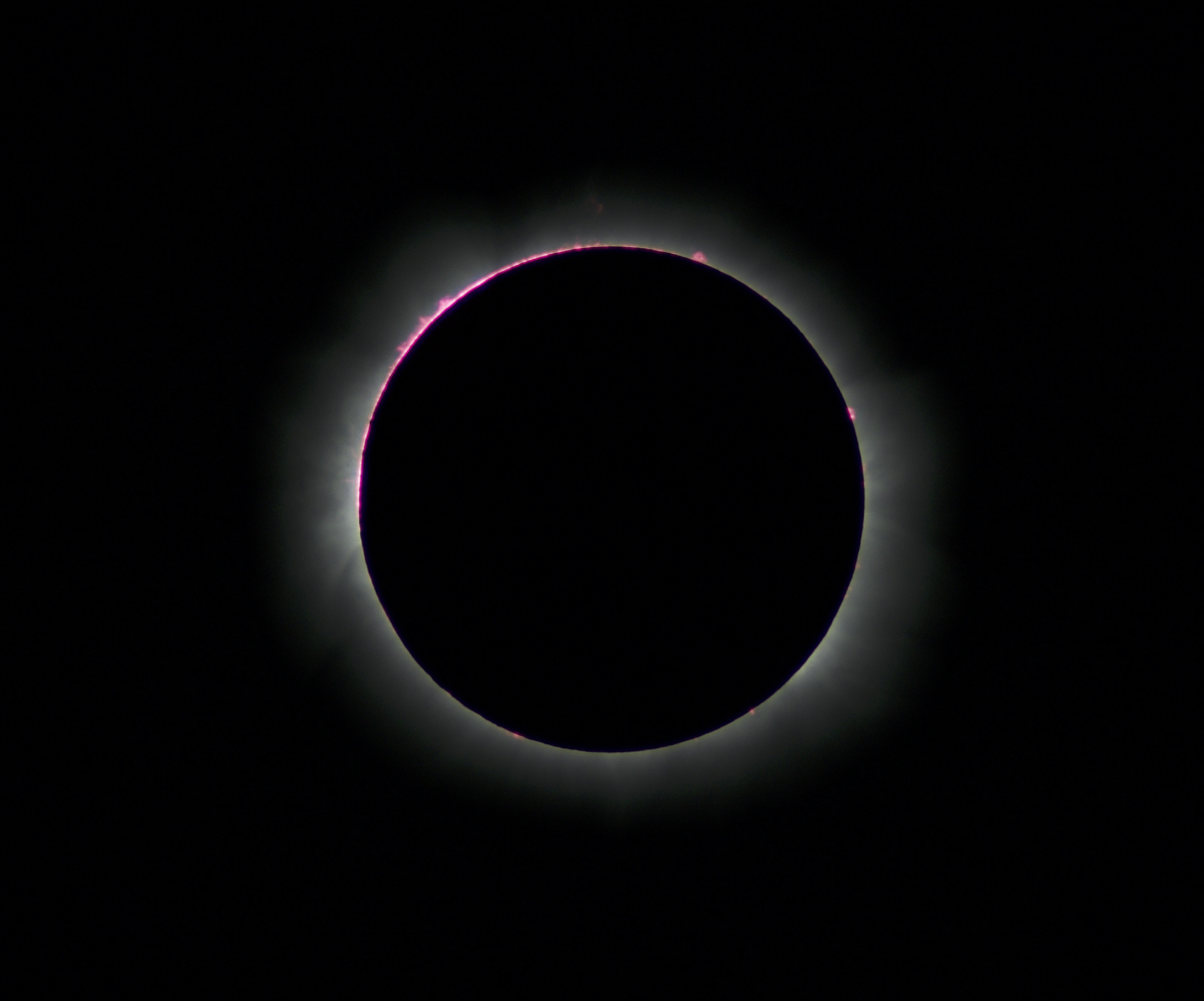
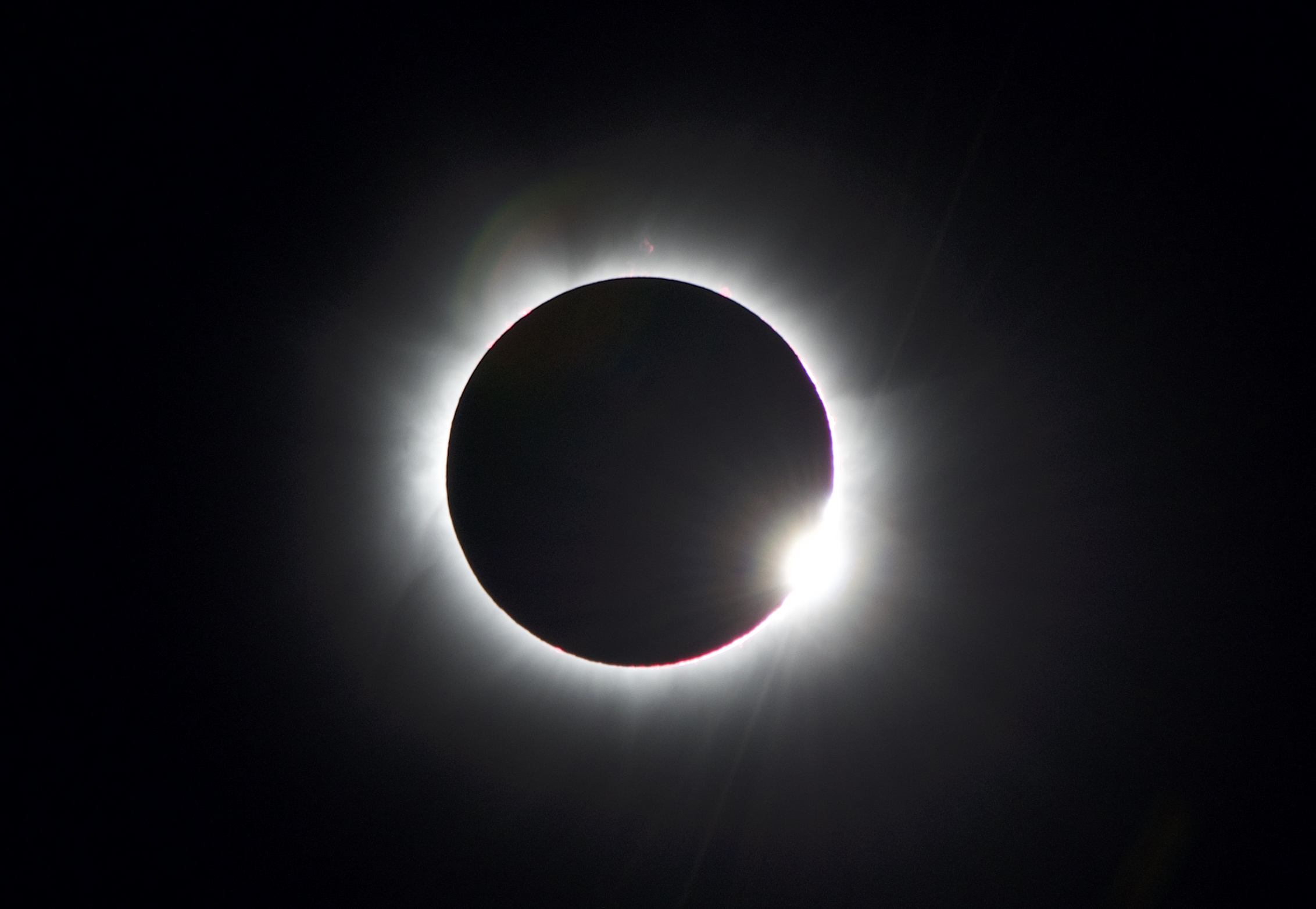
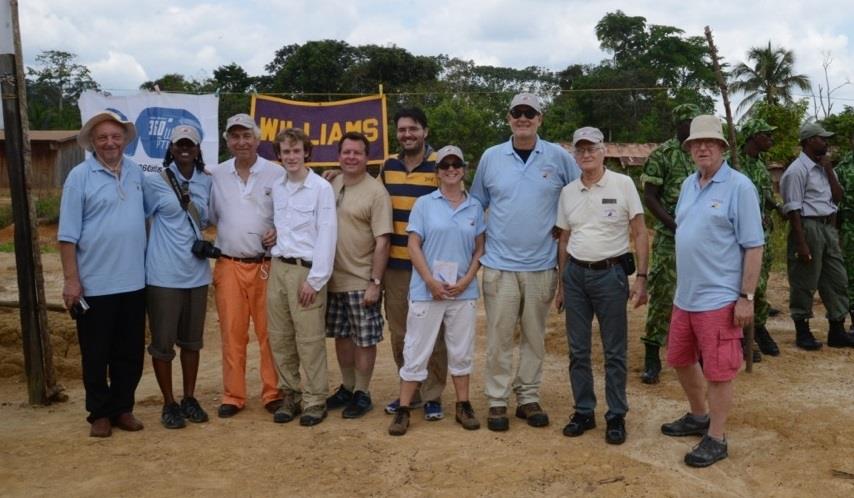
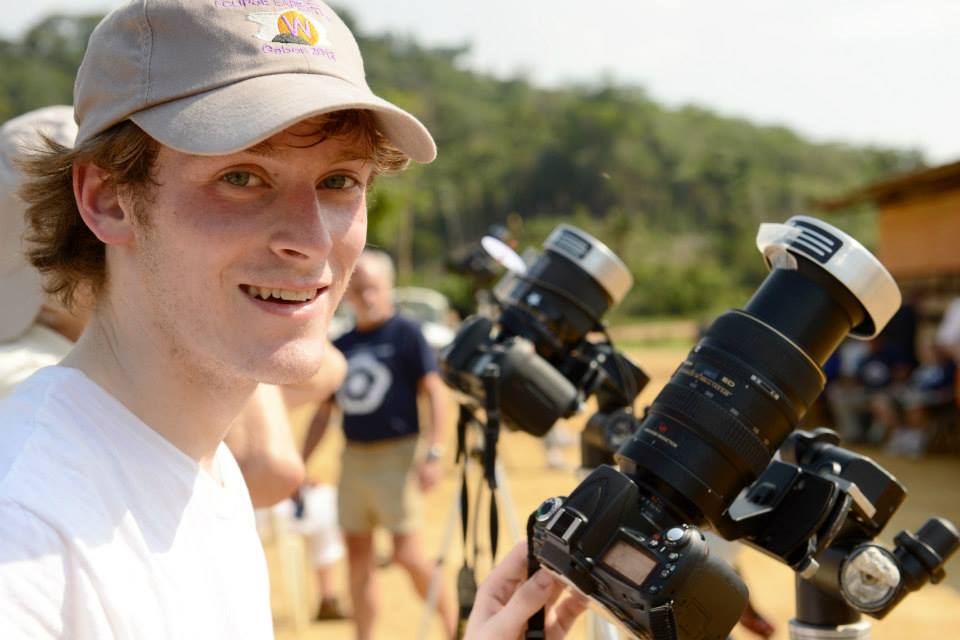
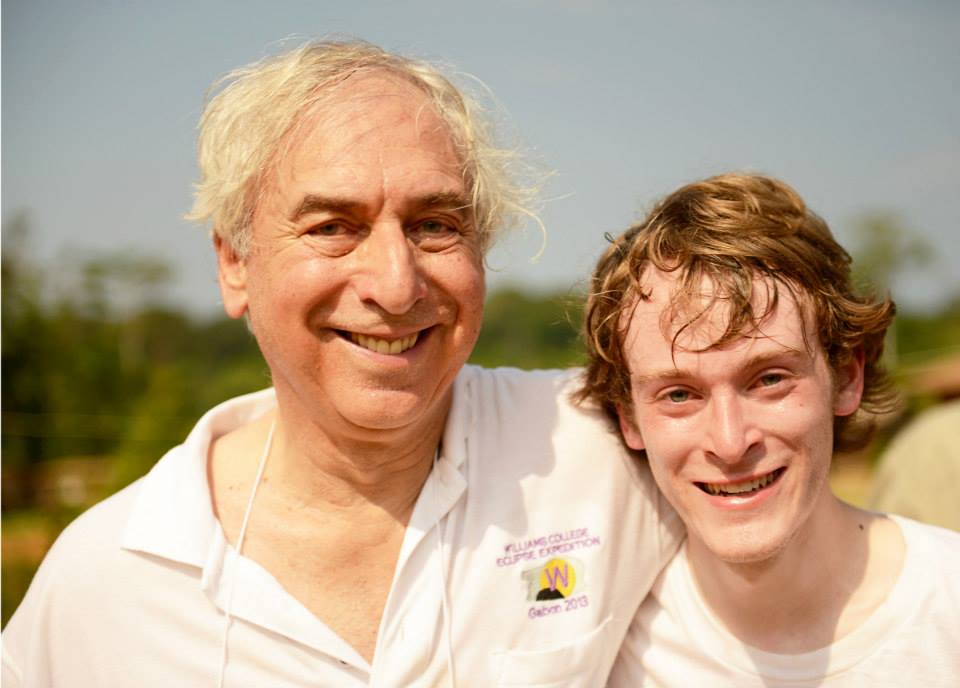
I witnessed my first total eclipse as a senior in college, when I traveled to Gabon with the Williams College Eclipse Expedition led by Prof. Jay Pasachoff. The eclipse path crossed only the Atlantic Ocean and equatorial Africa, so land-based observing options were limited. Meteorological forecasts gave Gabon roughly a 10% chance of clear skies. Sites further into Africa had better forecasts, but the totality duration there would have been too brief for our coronal imaging program. For the science we wanted to do, Gabon was the only option!
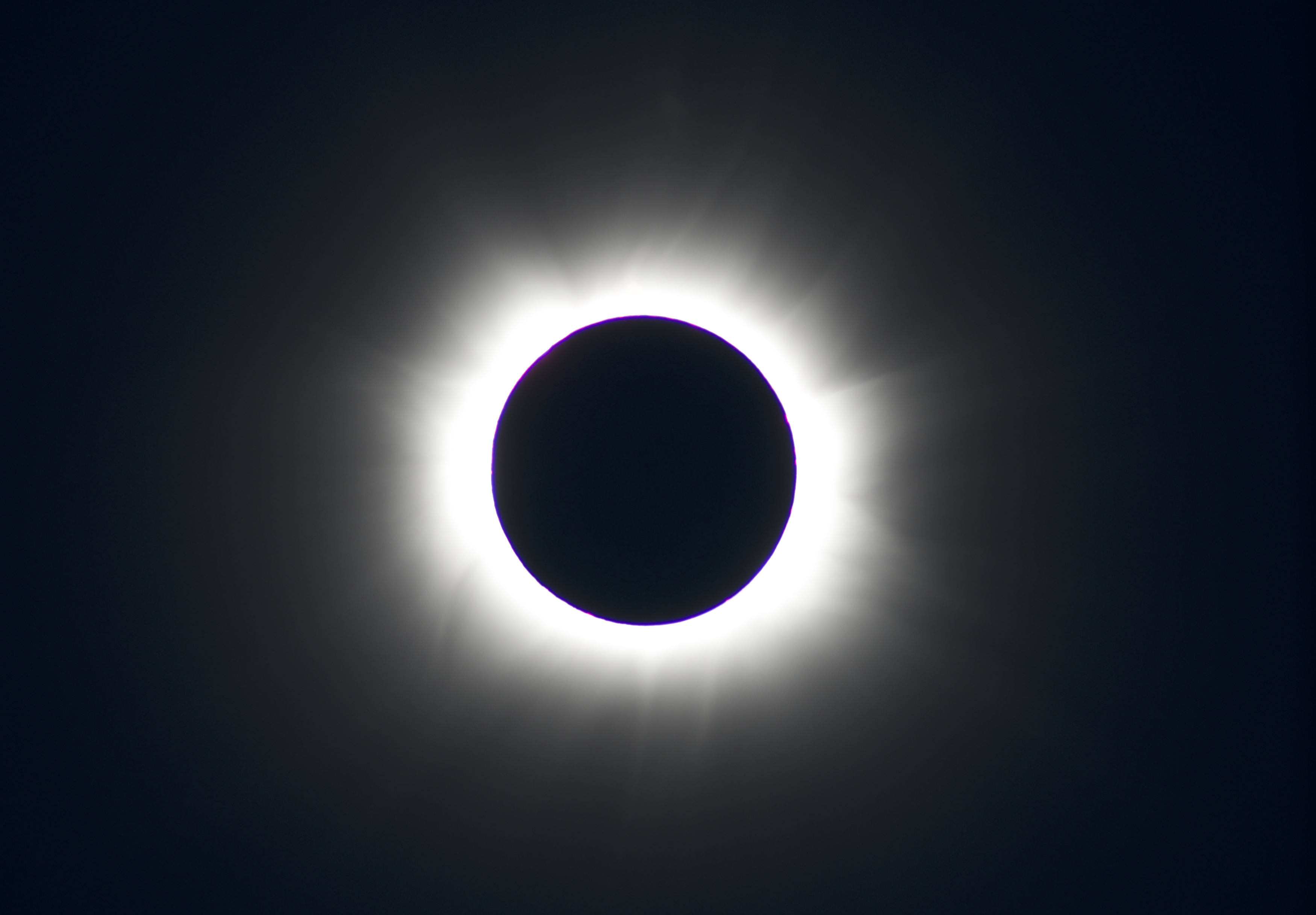
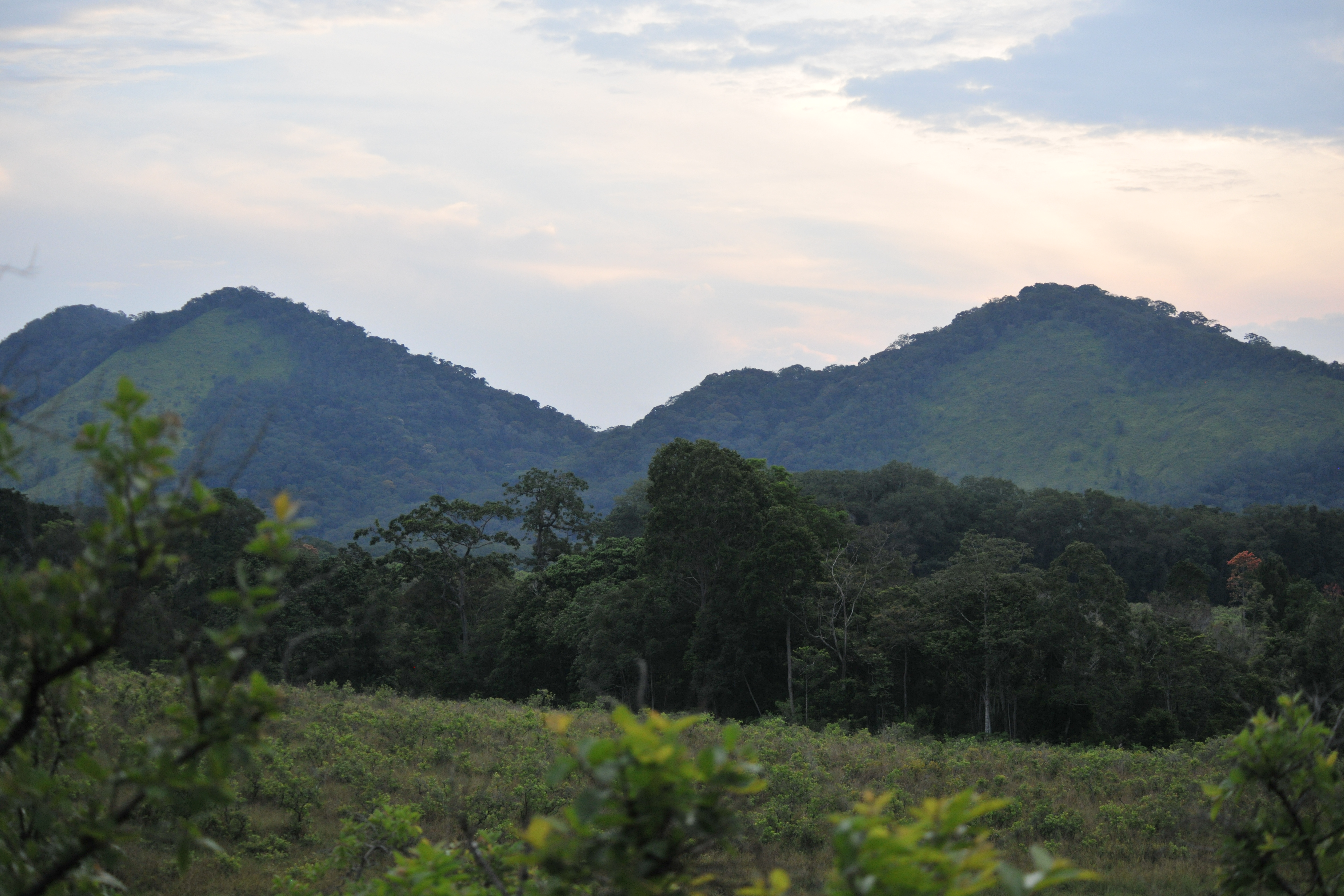
We set up in the village of Mkongo II in Lopé National Park, reached by a two-hour drive on unpaved roads. It was cloudy for an entire week surrounding the eclipse, and it even rained twenty minutes before totality. But, miraculously, the skies cleared in time, partly due to eclipse cooling (as the moon's shadow covers the Earth, the temperature decrease may cause clouds to dissipate). We ended up seeing all 59 seconds of totality under clear conditions.
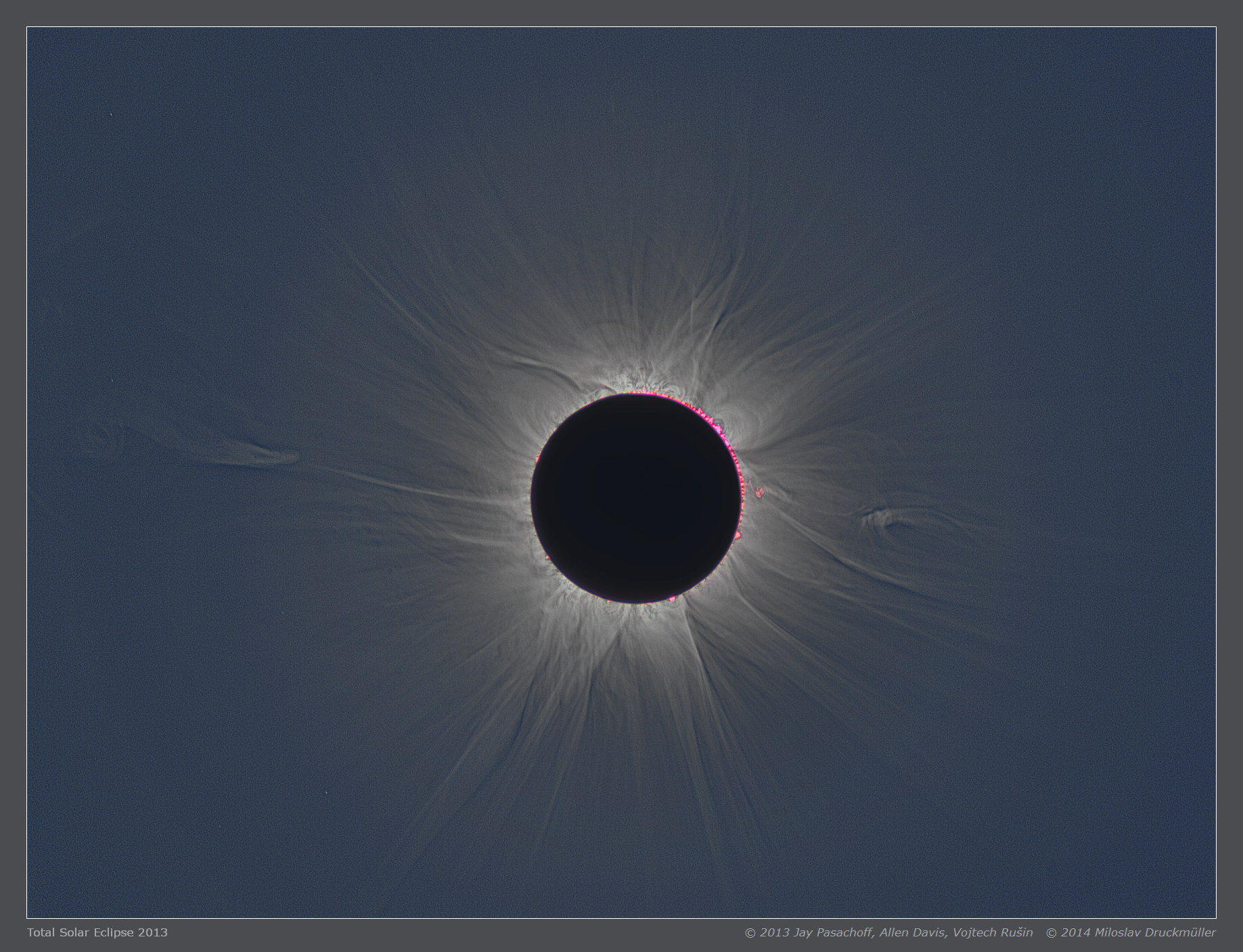
I had prepared scripts to run my two cameras to acquire a wide range of exposure times and aperature settings to maximize our ability to discern the detail of the solar corona (the Sun's outer atmosphere, only visible during totality). In total I acquired a bit over 100 images in 59 seconds.
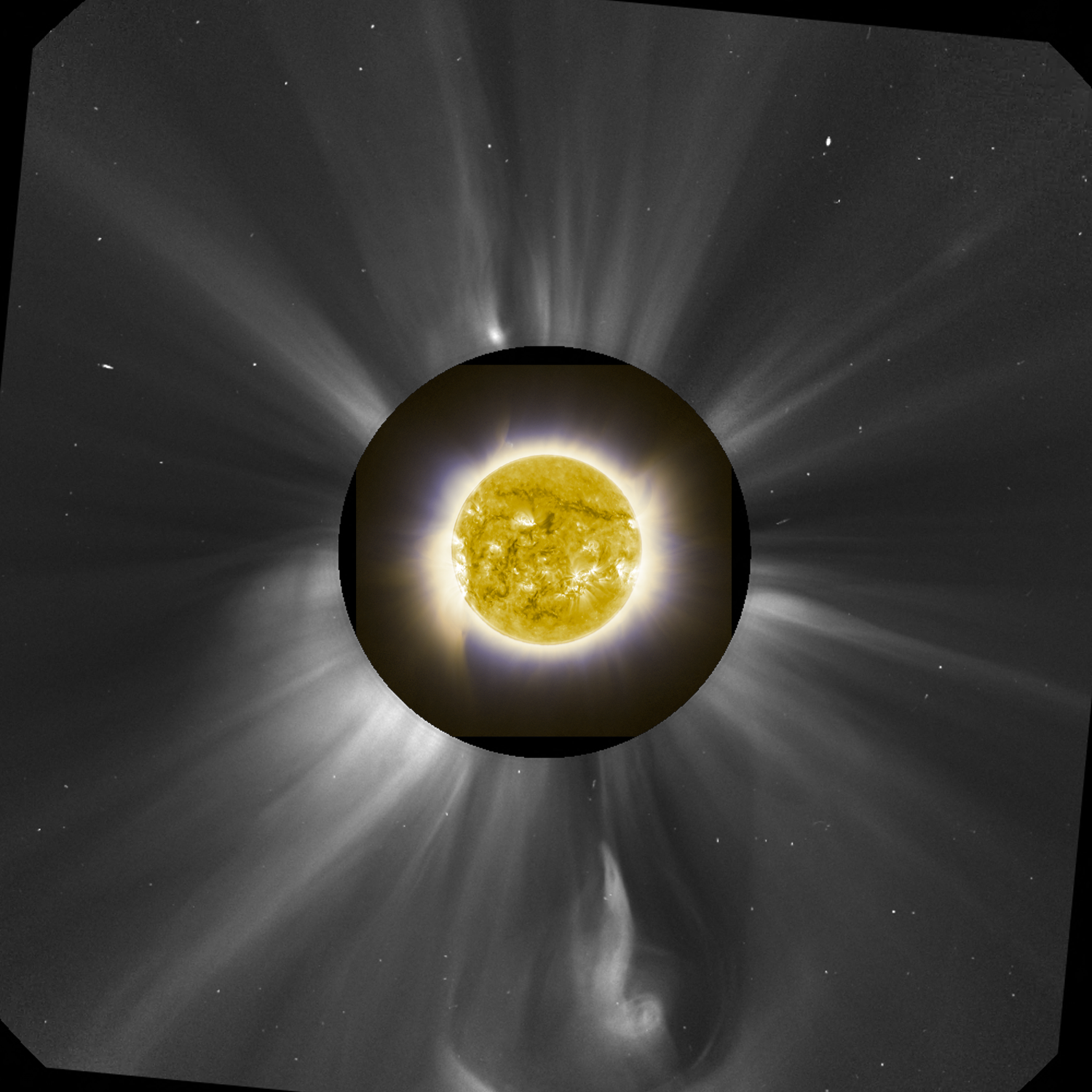
Miloslav Druckmüller produced a high-resolution composite of the solar corona from my images, together with images by Jay Pasachoff and Vojtech Rušin. This composite image was later featured as the cover of the American Astronomical Society's 2017 wall calendar. A separate composite combining a ground-based coronal photograph from Gabon with ultraviolet data from the PROBA2 satellite and outer corona data from SOHO was featured as Astronomy Picture of the Day.
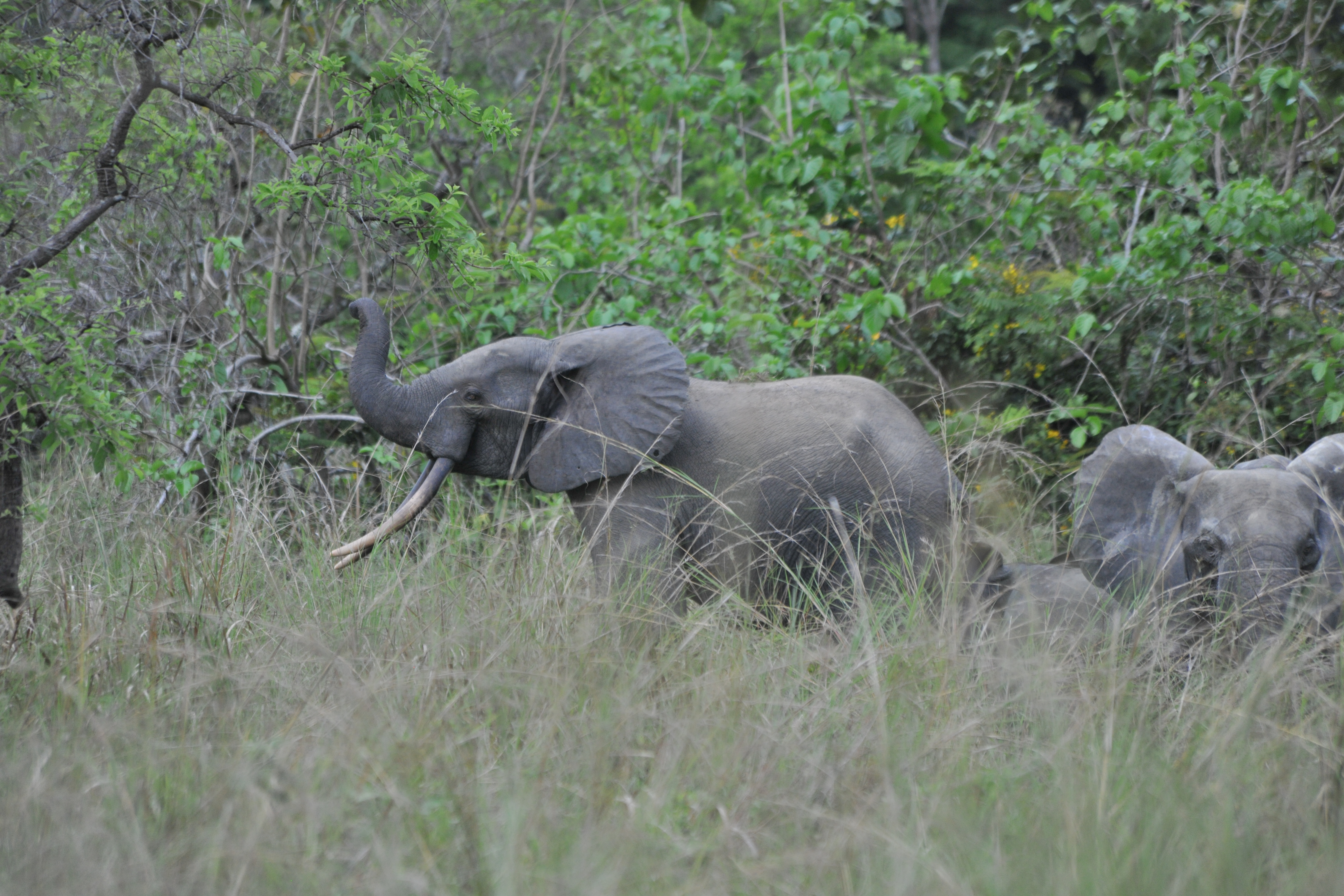
On expedition in Gabon
August 21, 2017 — Oregon, USA (Total)
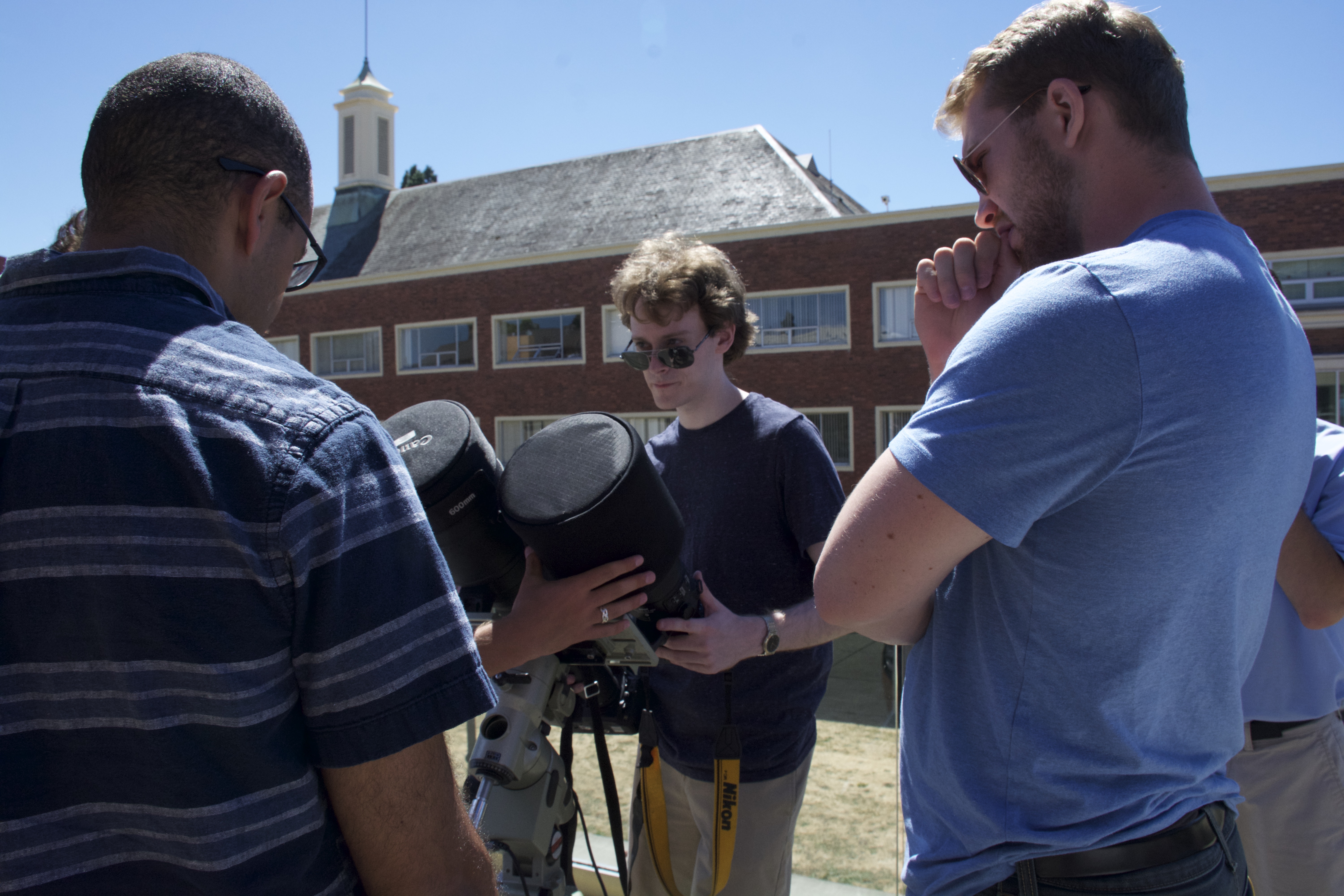
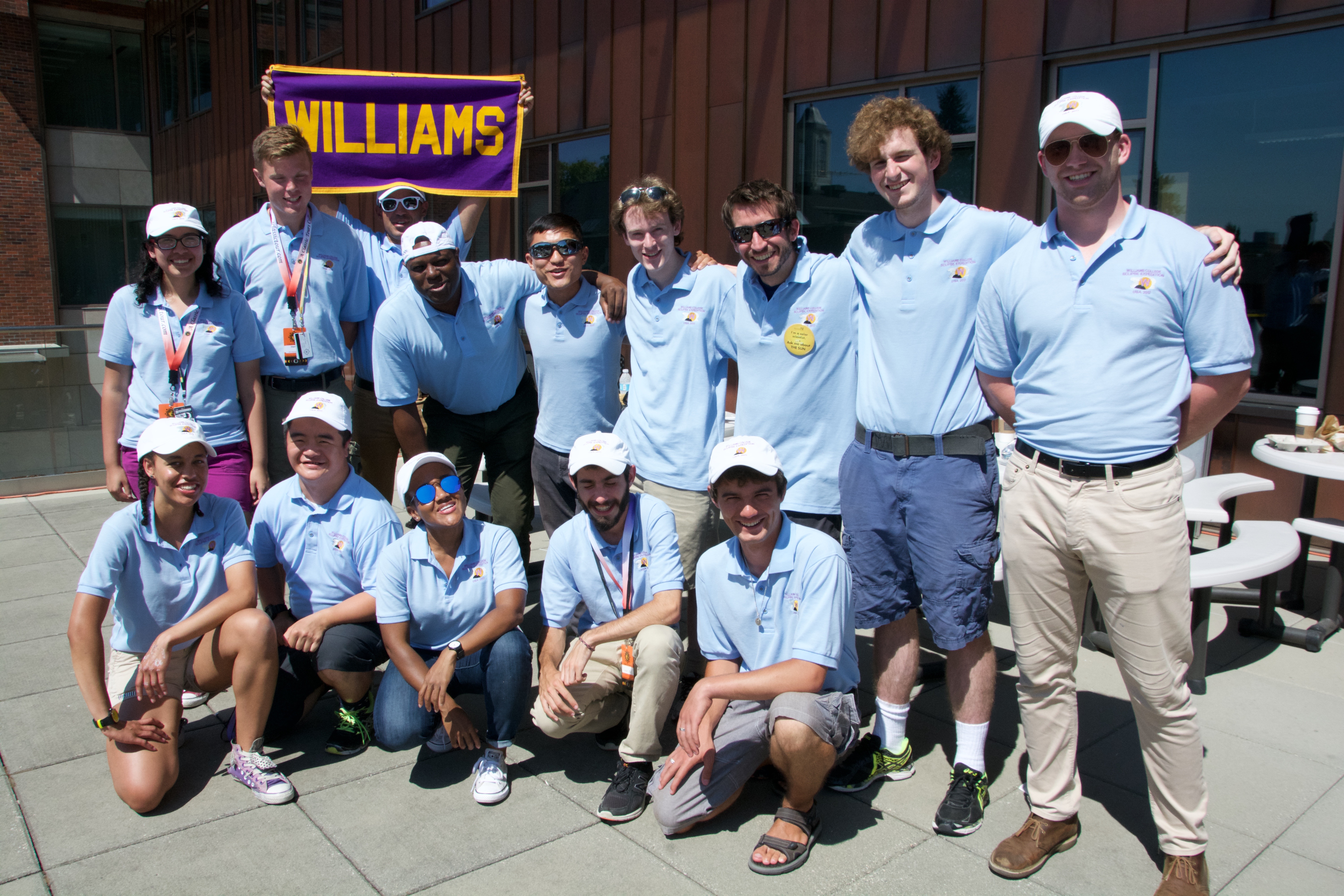
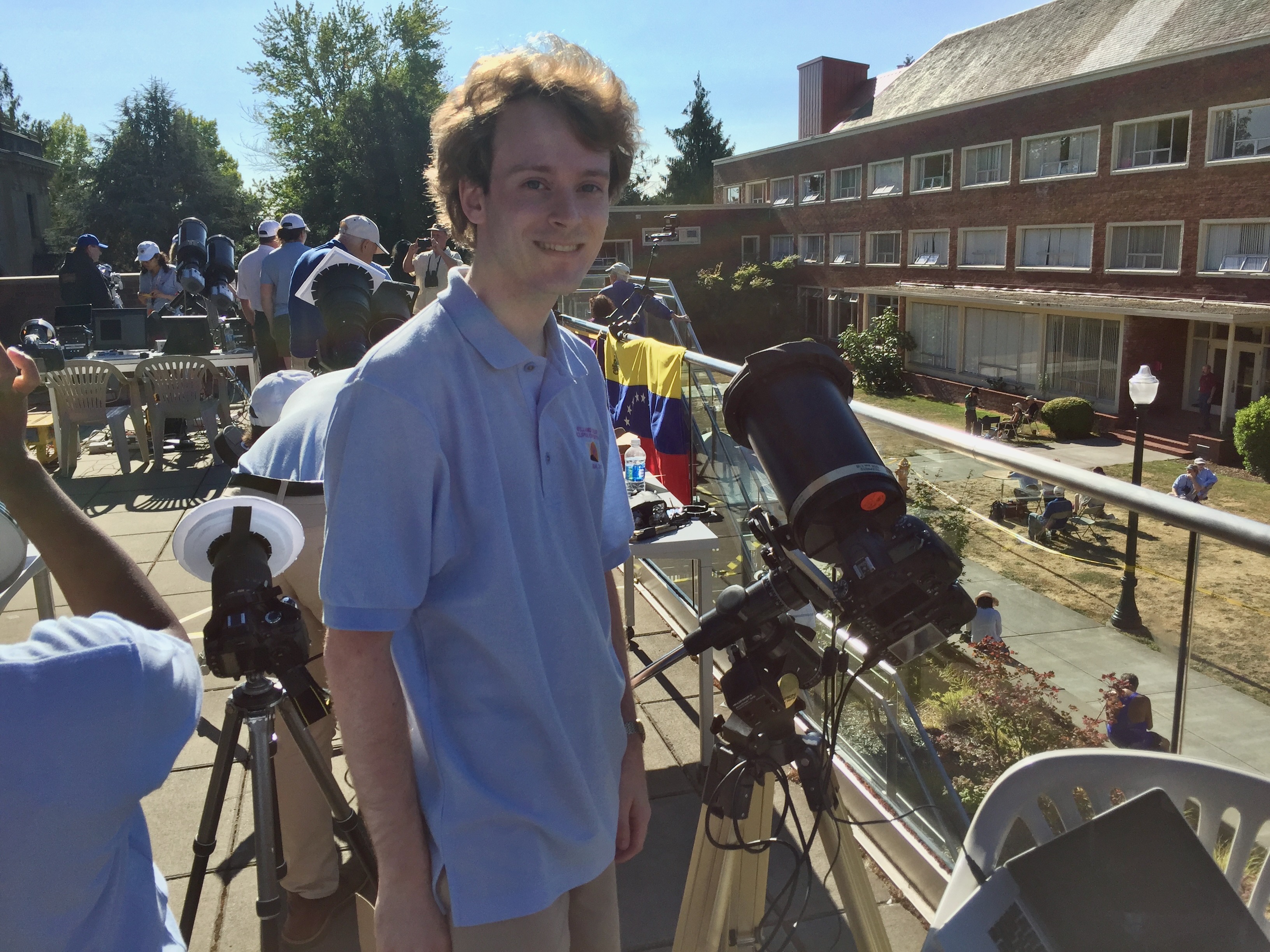
This was the first total solar eclipse to cross the contiguous US coast to coast in nearly a century. Again with the Williams College team, I traveled to Salem, OR, to collect coronal imagery. In the days leading up to the eclipse, I appeared on WTNH's Good Morning CT to educate the public about the significance of the eclipse and how to view it safely.
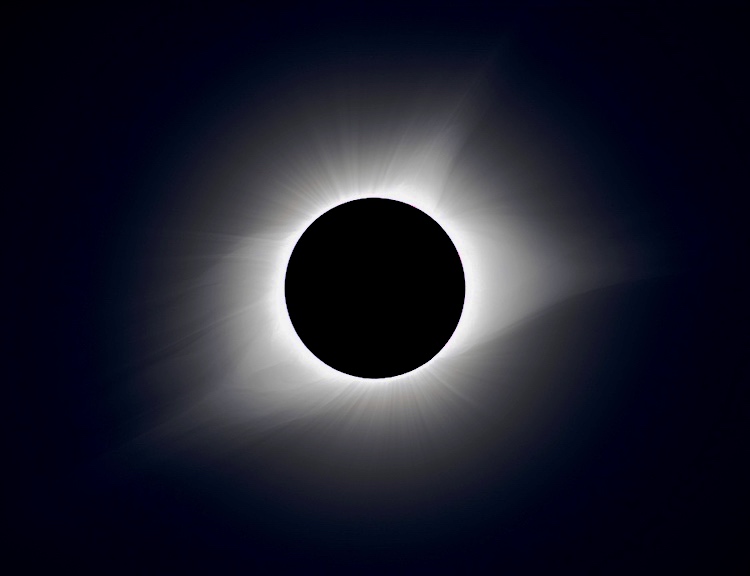
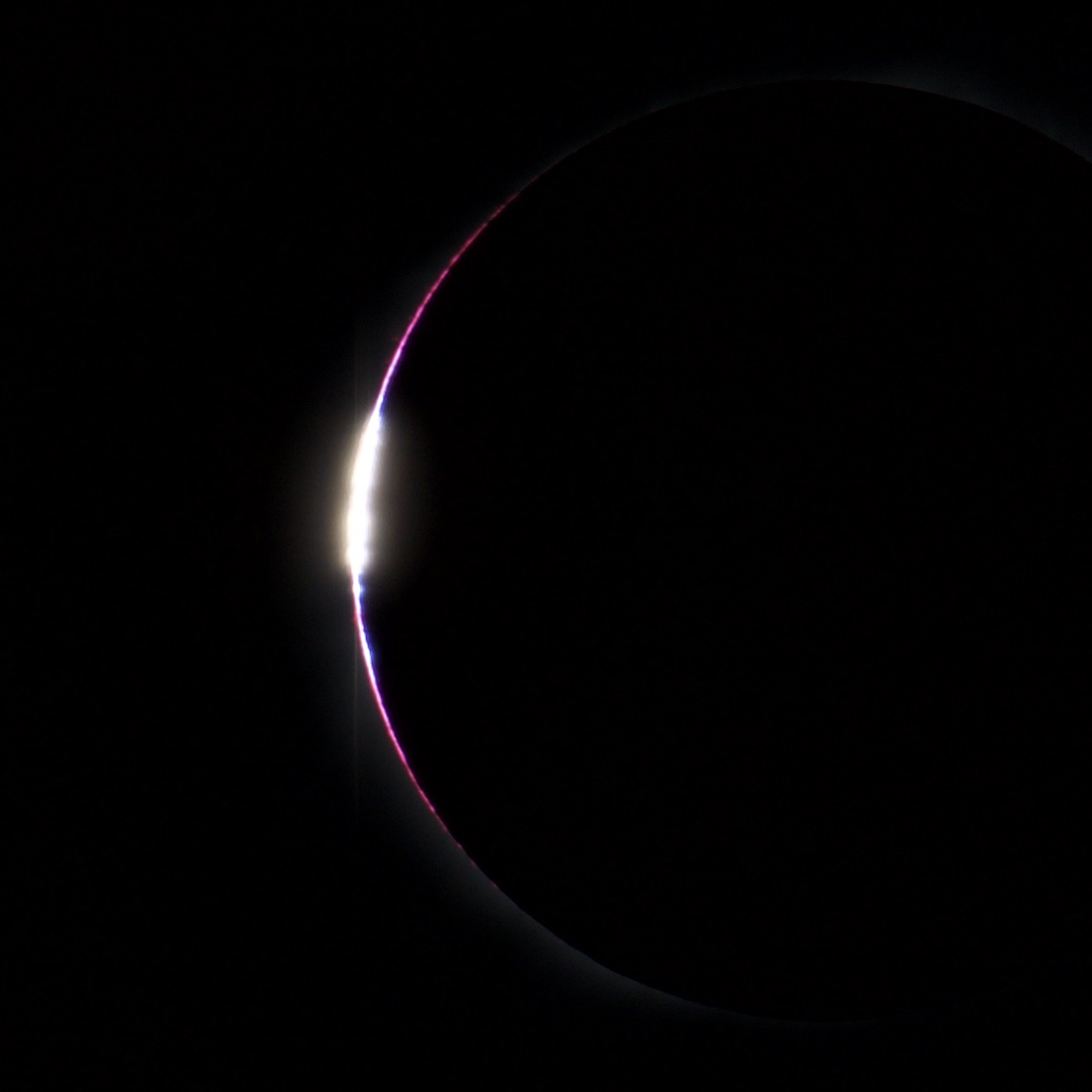
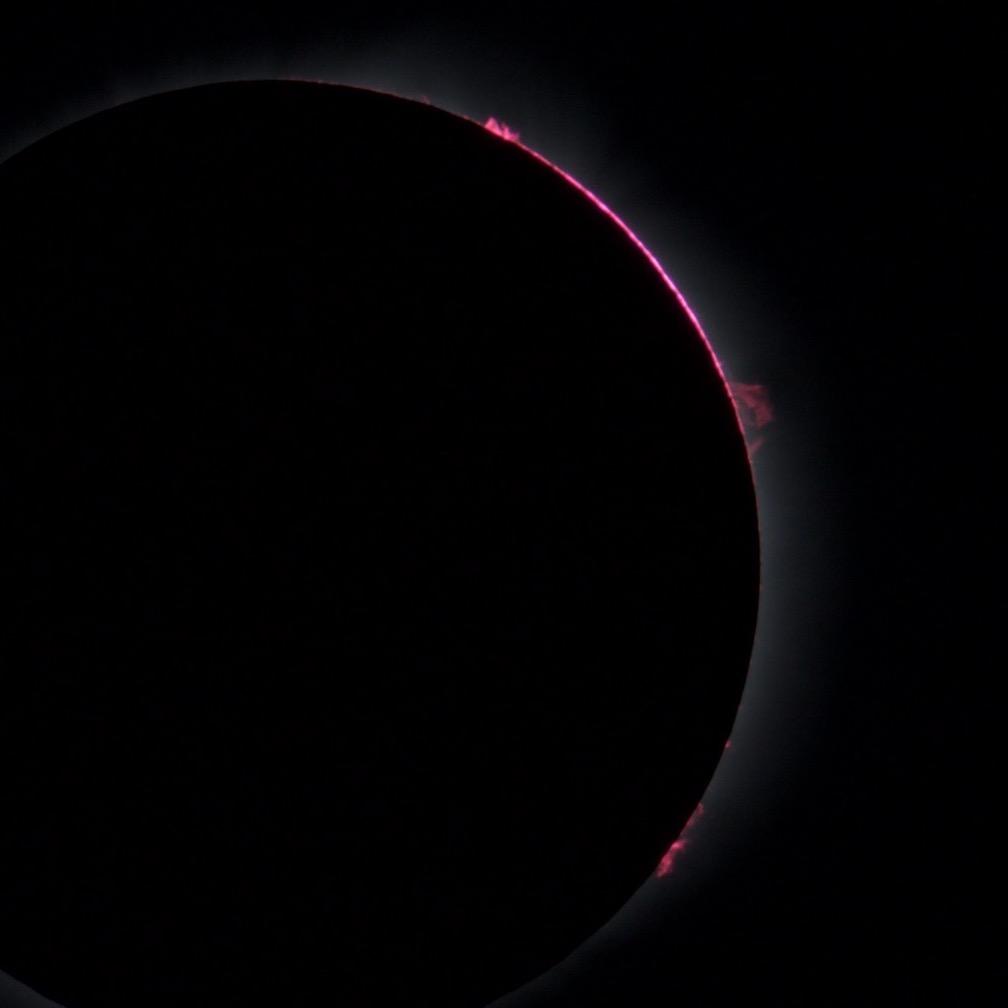
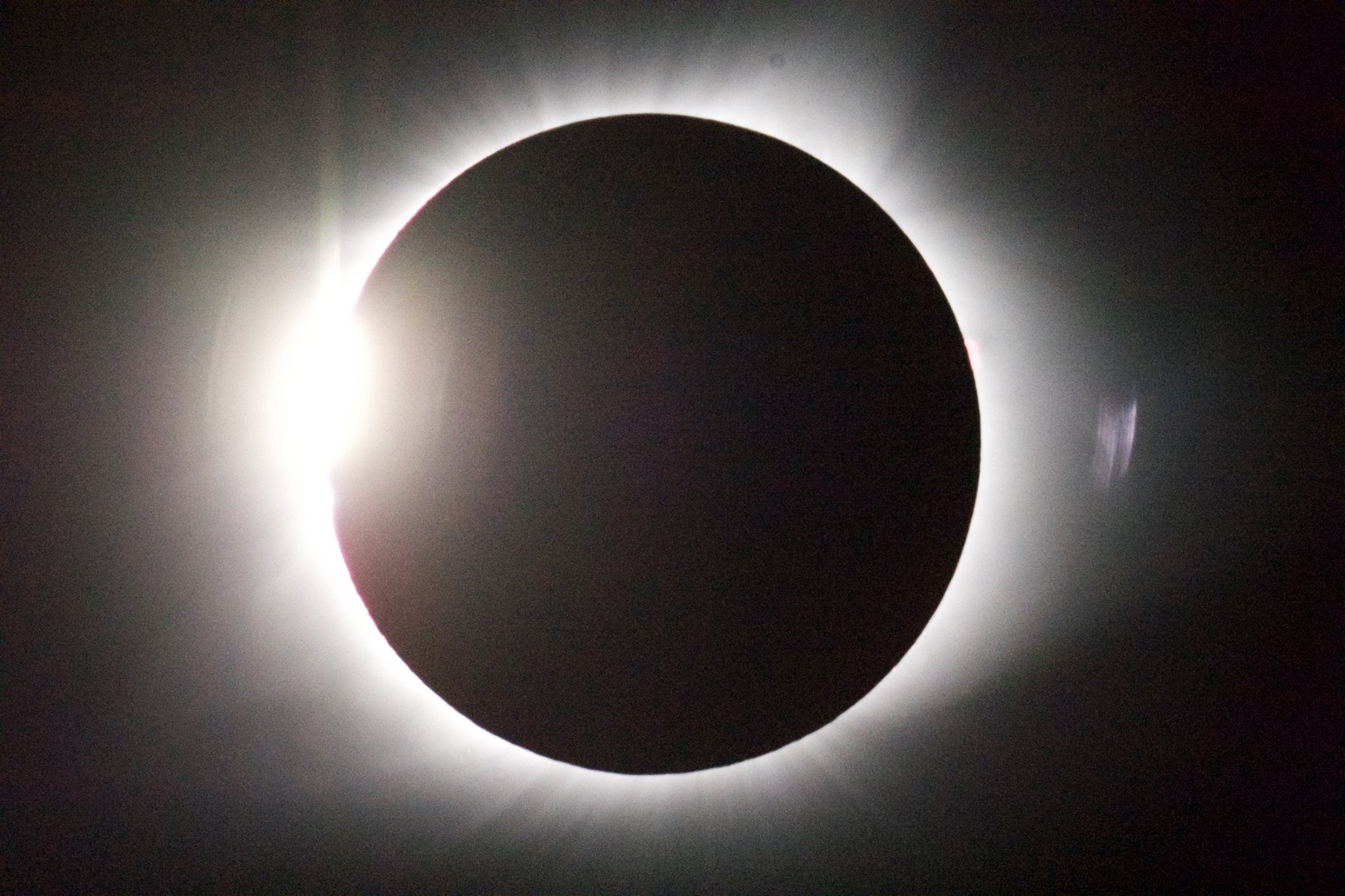
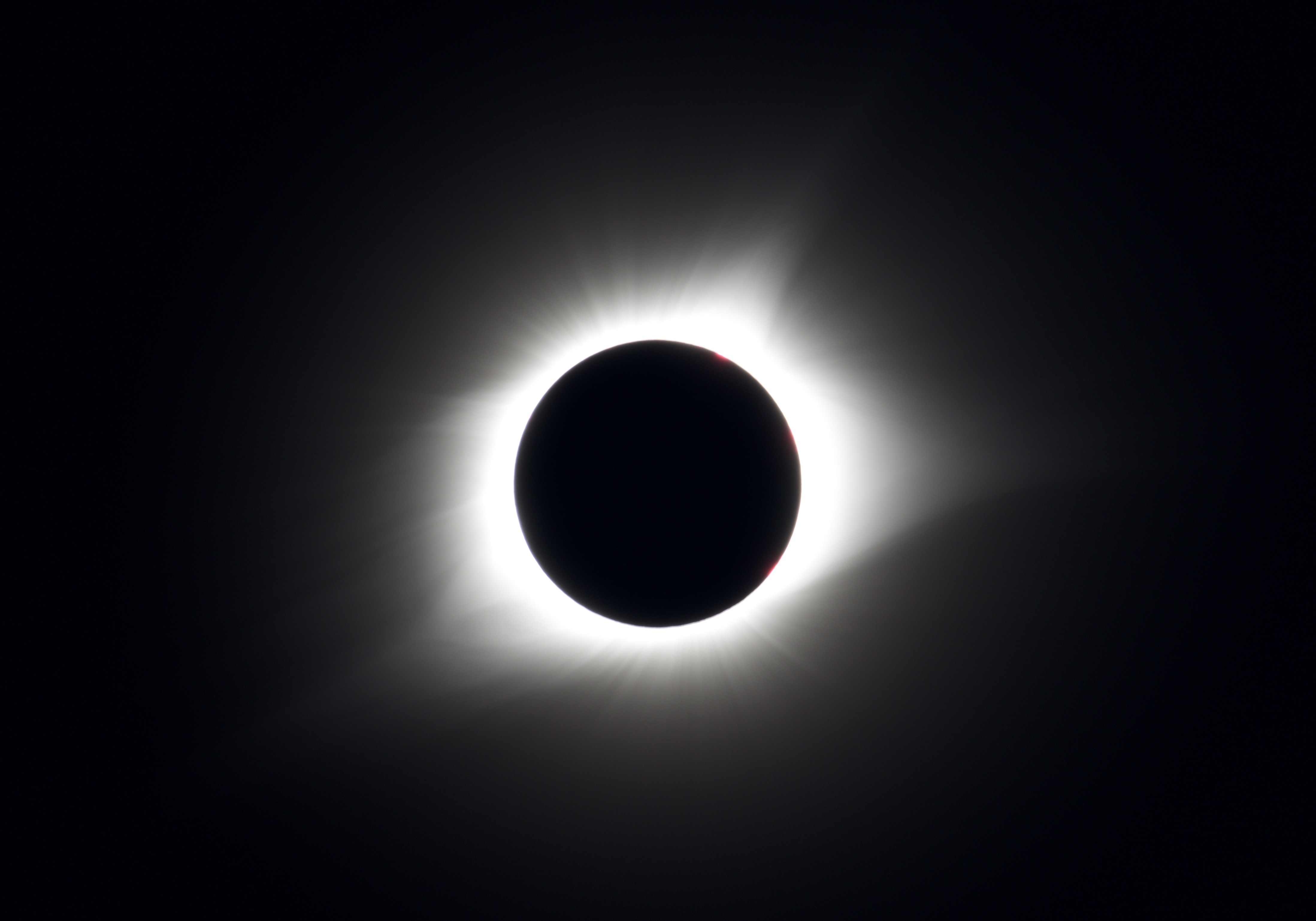
On expedition in Oregon
April 8, 2024 — Texas, USA (Total)
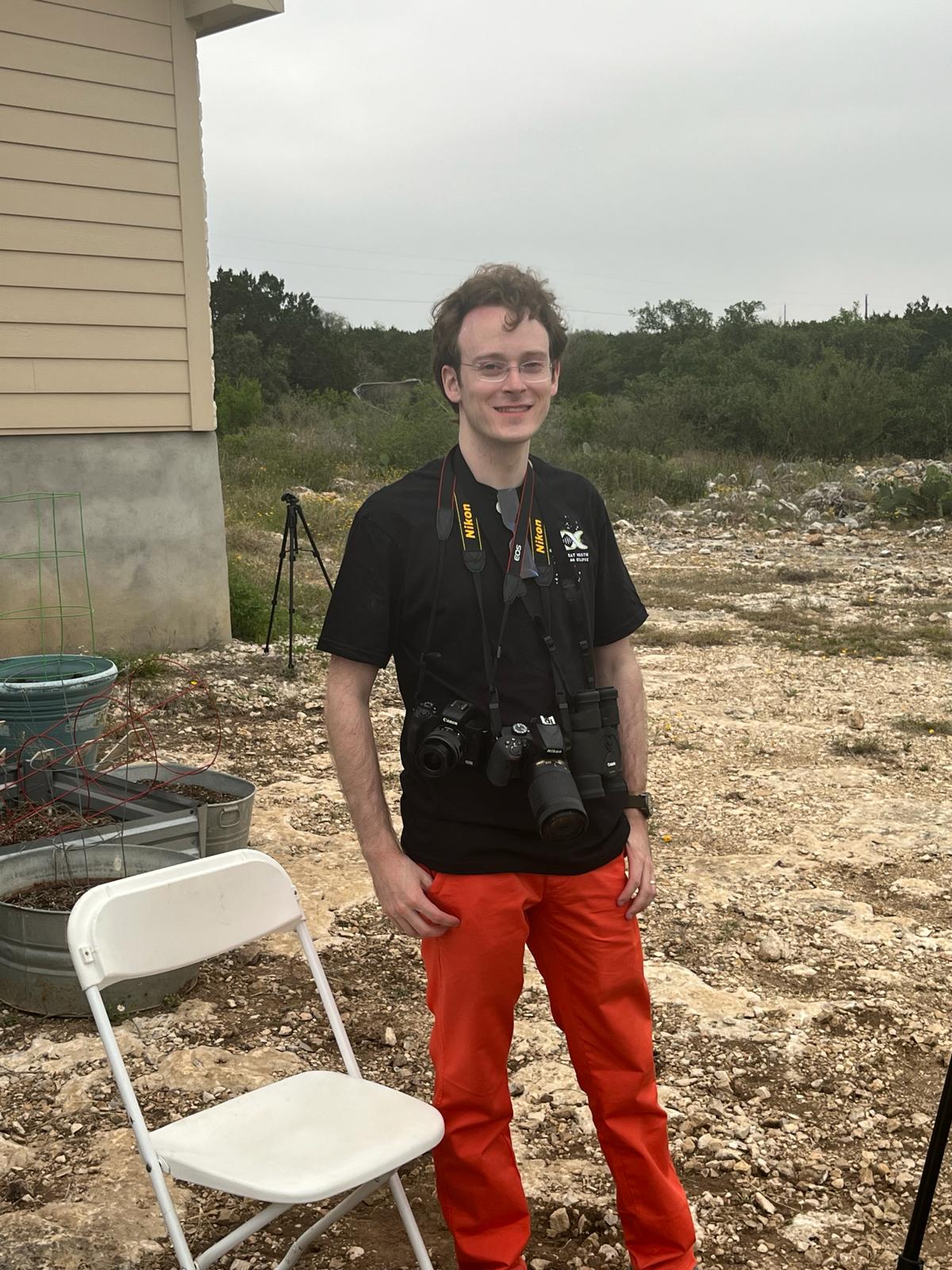
Lucky orange pants to ensure good weather (results may vary)
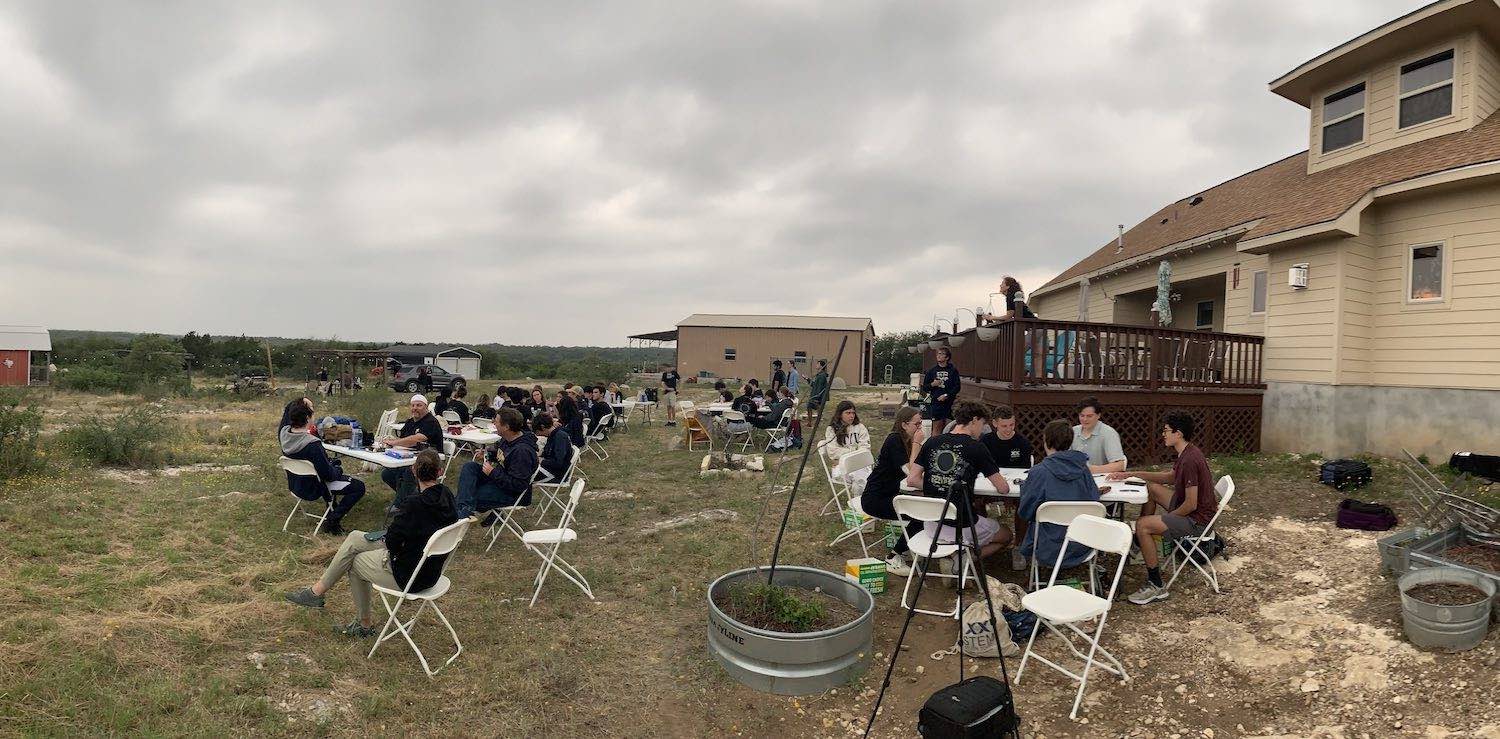
Ever since I decided to become a teacher in 2020, I knew I wanted to take a group of students to the the 2024 eclipse as it passed through the United States. From our location in Boston, the closest spot in the narrow path of totality was Vermont - an area with a 90% of clouds, historically. Instead, I set my sights on southwest Texas, which had the best weather stats in the country on that date historically.
In partnership with Trinity Prep (FL), I led a trip of 36 students to San Antonio, TX. In addition to seeing the eclipse, we visited the Alamo, and did some indoor skydiving!
Sadly, nature decided to throw us a curveball, and we were treated to a thunderstorm on eclipse day. Still, the students were impressed by the sudden descent of darkness as the moon wiped away the Sun, plunging the noon-day cloudy sky into near total darkness for 4 minutes.